静思与净斯的缘起
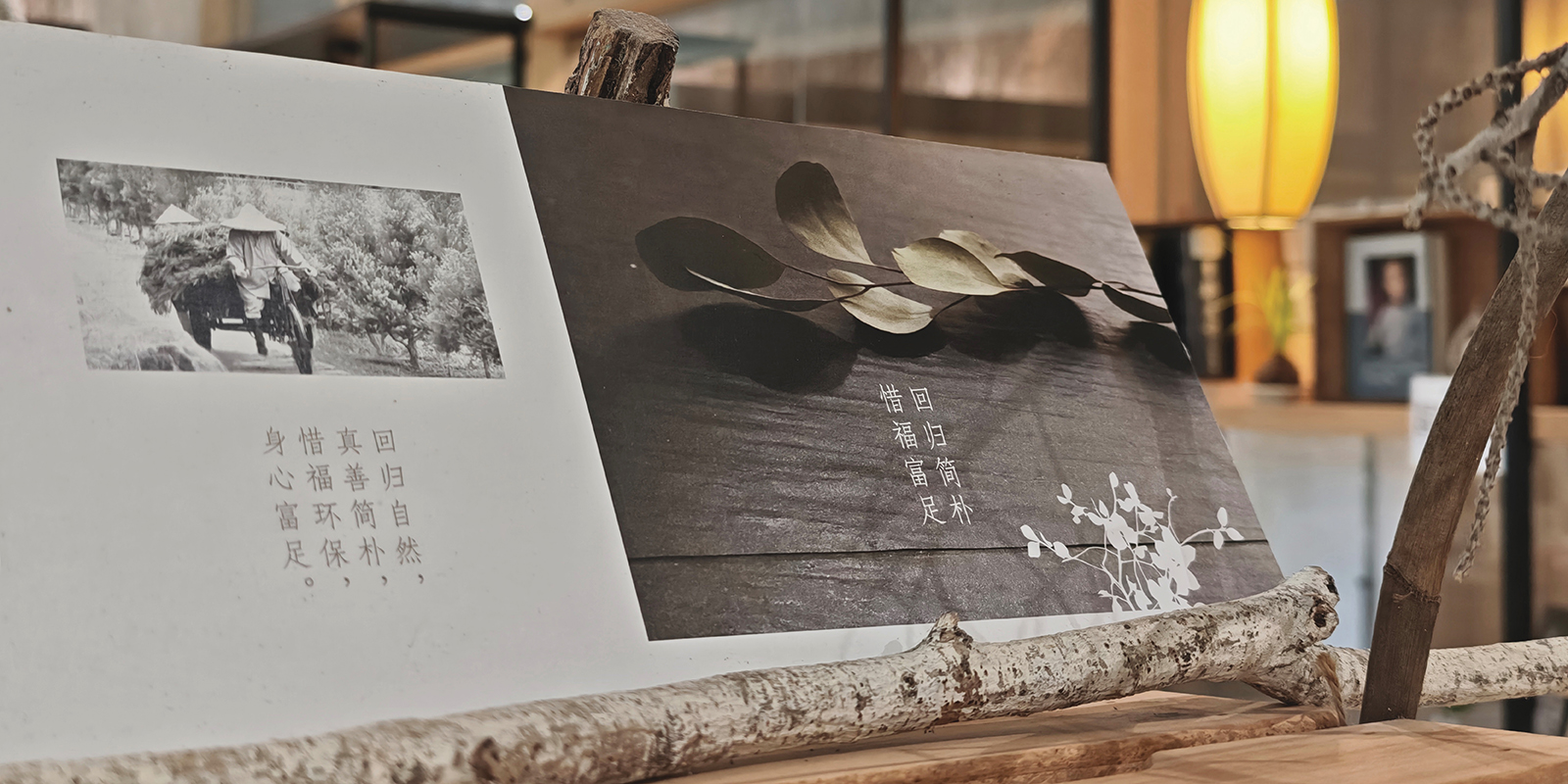
静思与净斯,缘起于1966年台湾东部的静思精舍。源自一份清净无染的爱,静思精舍师父们早期以耕种维持生计,尽管收成不敷生活所需,仍勉力做慈善救济,克难草创时期即从事各种手工品制作,再辛苦都不取用“慈济”善款分毫。
秉持“一日不做、一日不食”,不受供养自力更生的精神,一路坚持至今,此即静思法脉的精神。尔后创立了“静思文化”、“静思人文”,乃是为了传承静思法脉,净化人心,所得亦作为支持静思精舍的日常用度。
证严法师曾慈示:“精舍要站得稳,成为慈济的后盾。承担起全球慈济人归来,亦包括参访会众与医疗志工在精舍的生活所需,以及慈济志业体举办的各项教育营队用度。”并提及:“静思精舍是慈济基金会的靠山”,“不论在哪一个国家,慈济志业都是从(静思)精舍的中央点放射出去的光芒。”
为了当靠山、作后盾、后援,精舍师父们从静思精舍为起始点,到后来陆续成立的静思文化、静思书轩,以及各地的静思小筑,静思人文志业的逐步发展,承载着传递证严法师净化人心的精神与使命。
静思——守护慧命的道粮
“静思”是证严法师出家前自取的名字,乃为提醒自己,时时刻刻要好好静心思考人生方向,故其蕴义是慈济的根本思想,与人文慧命息息相关。将“静”字拆开来,就是青山无争;“思”字上面是田,下面是心,亦即福田用心耕。静而思,静以思之,以至于清净,静心思考宇宙天地的真理,直到回归清净本性。
静思法品守护人们的慧命,透过有形的书籍、影音法品,让人人深入法髓,不仅自净其心,更因而影响周遭,度化他人;透过时间、空间、人与人之间,传递慈济大爱精神,终至净化人心、祥和社会、消弭灾难。
净斯——守护大地的资粮
静思出版品是守护慧命的道粮,净斯产品则是守护大地的资粮。斯土斯民,净斯,清净于斯。以清净的心产出无染的物;净斯食品及生活用品的研发,旨在爱护滋养我们生命的大环境。
上人期许静思精舍二众弟子,应秉持静思法脉清净无私的宗教情操,经营静思人文志业,亦即是以清净心,做清净事,出清净品,缔造清新洁净的人间净土。期许净斯出产的都是清净、干净的物品,让民众安心选购使用。众生使用无染物清净己心,进而使用无染物建设人间净土,清净于斯,是谓“净斯”。静思人文立志在五浊恶世中做净化大地的志业,净化众生心、净化众生身。
静思 Logo 意涵深
三个圆:代表 佛、法、僧。
两条弯线:一条是 眼,一条是 唇。
眼:垂视,为慈悲;
唇:上弯,为智慧(得大智慧,通达诸法;因无烦恼,故微笑);分别代表佛陀的慈悲与智慧,慈眼视众生。
The Origin of Jing Si and Jing Si
Jing Si and Jing Si began at Jing Si Hermitage in eastern Taiwan in 1966, rooted in pure love. In the early days, the masters supported themselves through farming and handmade crafts, dedicating themselves to charity without using Tzu Chi donations for personal needs. Following the principle of “no work, no food,” they practiced self-reliance and perseverance—a spirit that defines the Jing Si lineage. Over time, Jing Si Culture and Jing Si Humanities were established to preserve this legacy and continue supporting the Hermitage.
Master Cheng Yen emphasized that the Hermitage must stand firm as Tzu Chi’s backbone, providing support for members, volunteers, and educational activities worldwide. To serve this role, the Hermitage expanded from Jing Si Hermitage to include Jing Si Culture, the Bookstore, and small centers, all carrying forward her mission of purifying hearts and spreading Tzu Chi’s spirit globally
Jing Si — Nourishment for Wisdom
“Jing Si” was the name Master Cheng Yen chose before ordination to remind herself to stay mindful and reflect on life’s direction. Its meaning forms the foundation of Tzu Chi’s philosophy, emphasizing the cultivation of human wisdom and virtue.
Jing (靜): peaceful like a mountain, free from conflict.
Si (思): “field” over “heart,” symbolizing mindful cultivation of virtue.
Through calm reflection and mindful practice, one gains clarity, contemplates universal truths, and returns to one’s innate nature. Jing Si publications—books, audiovisuals, and other Dharma materials—nourish human wisdom, purify hearts, and spread Tzu Chi’s love and compassion, fostering harmony and alleviating suffering.
Jingsi — Sustenance for the Earth
While Jing Si publications nourish wisdom, Jingsi products sustain the Earth. “Jing Si” reflects purity in land and people. Products are made with a pure heart, free from contamination, nurturing both the environment and human well-being. Master Cheng Yen encourages disciples to uphold the Jing Si lineage through pure deeds and goods, creating a clean and wholesome world. By using safe, uncontaminated products, people purify their minds and contribute to a harmonious Earth, fulfilling Jingsi’s mission of purifying both hearts and the planet.
The Meaning Behind the Jing Si Logo
Three Circles: Represent the Buddha, the Dharma, and the Sangha.
Two Curved Lines: One represents an eye, the other a mouth.
Eye: Cast downward in compassion.
Mouth: Slightly upturned in wisdom (attaining great insight and understanding the Dharma; a gentle smile arises from freedom from vexations).
Together, they symbolize the Buddha’s compassion and wisdom, with compassionate eyes watching over all beings.